Rupelmonde castle
Interactive Museum Application
3D Modeling - 3D Environment creation - Interractive application
Synopsis
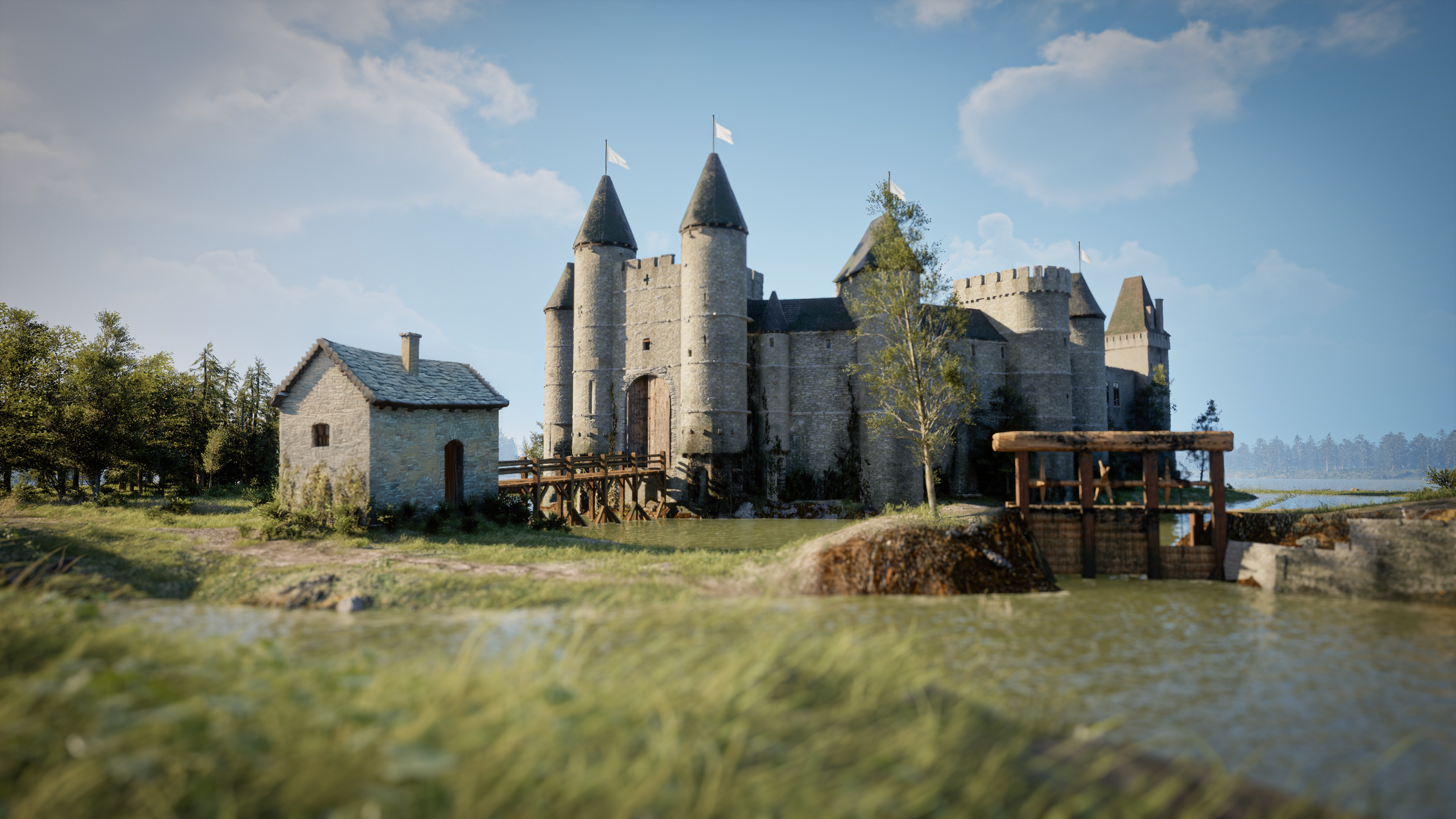
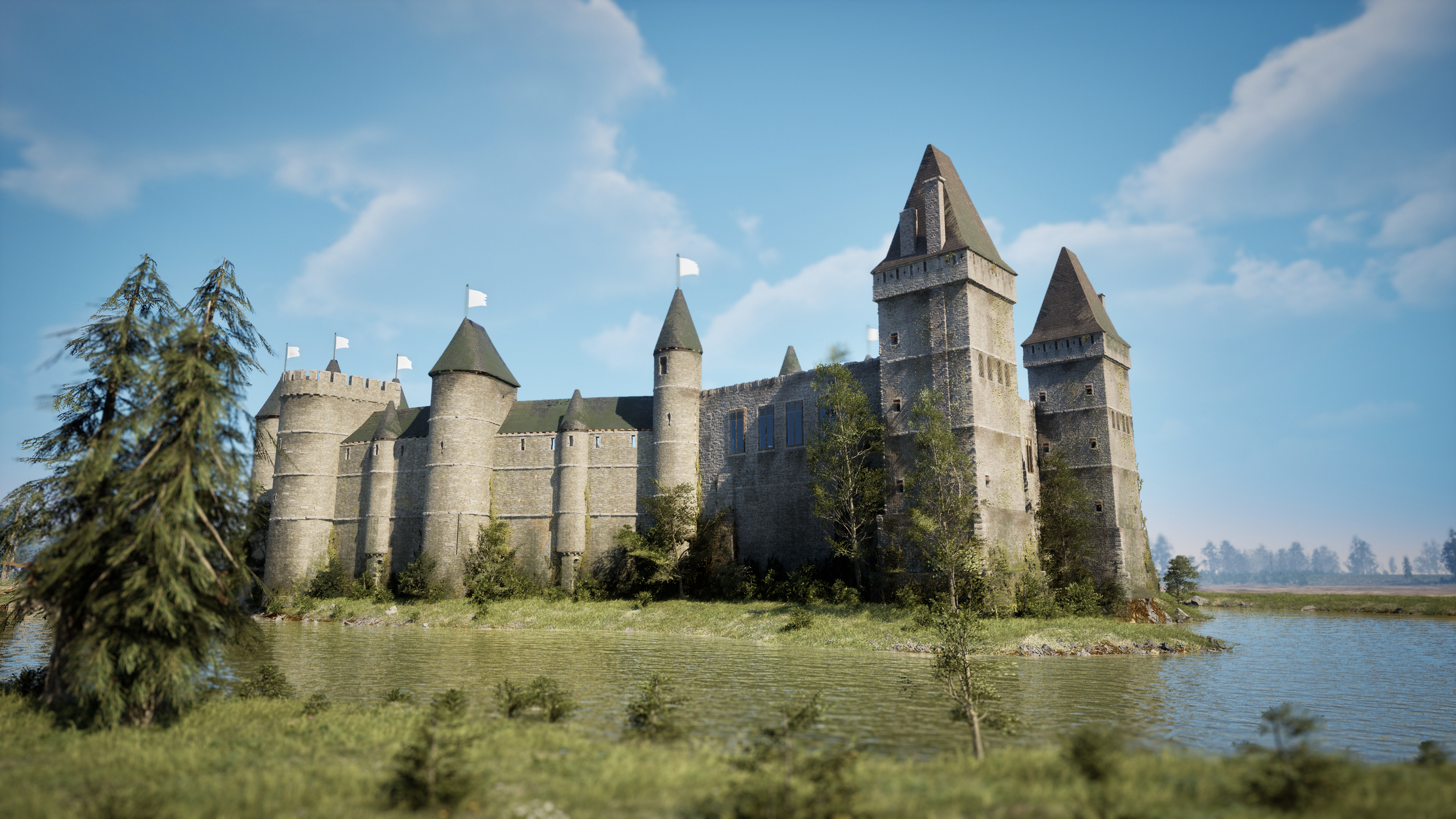
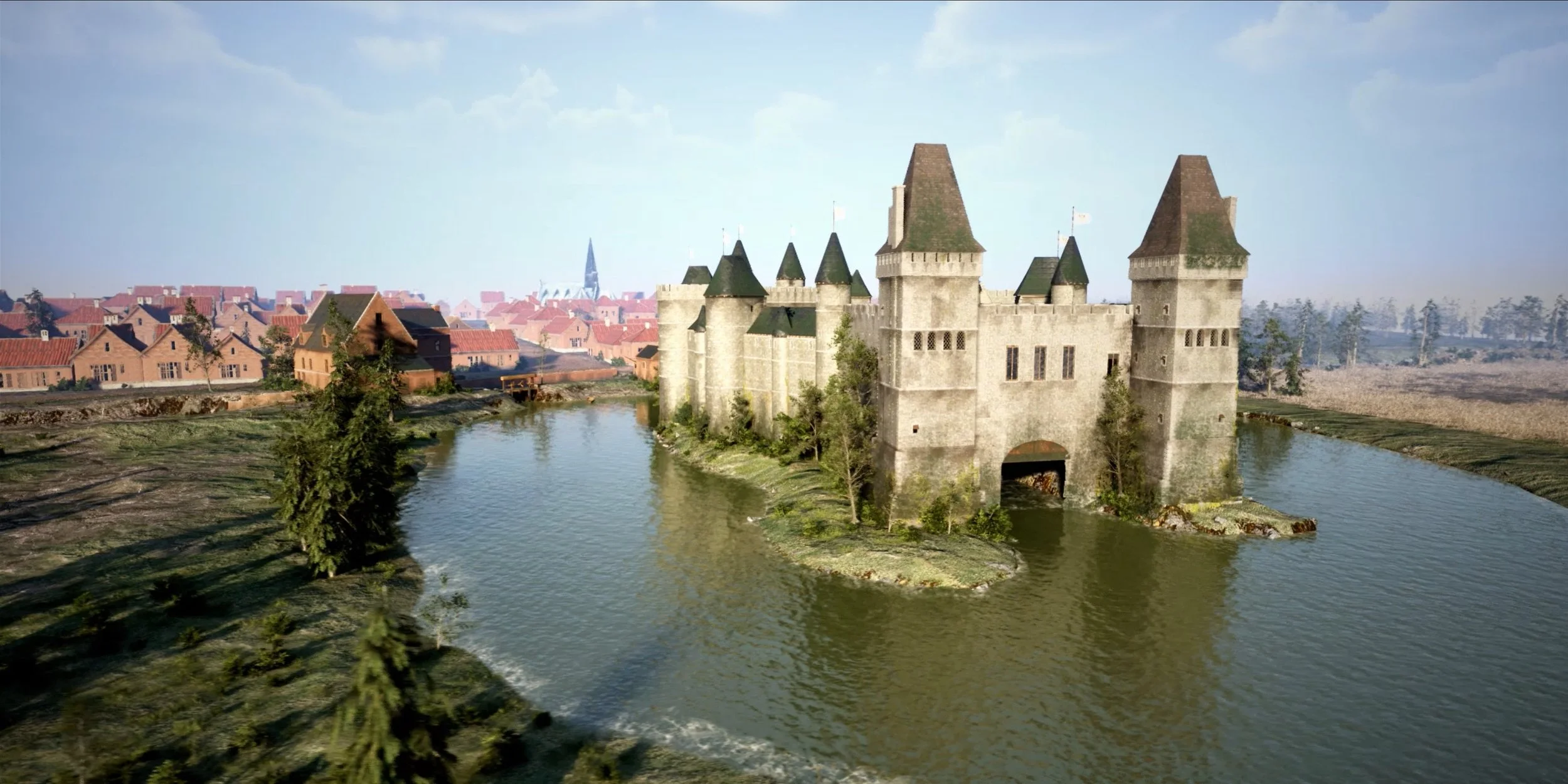
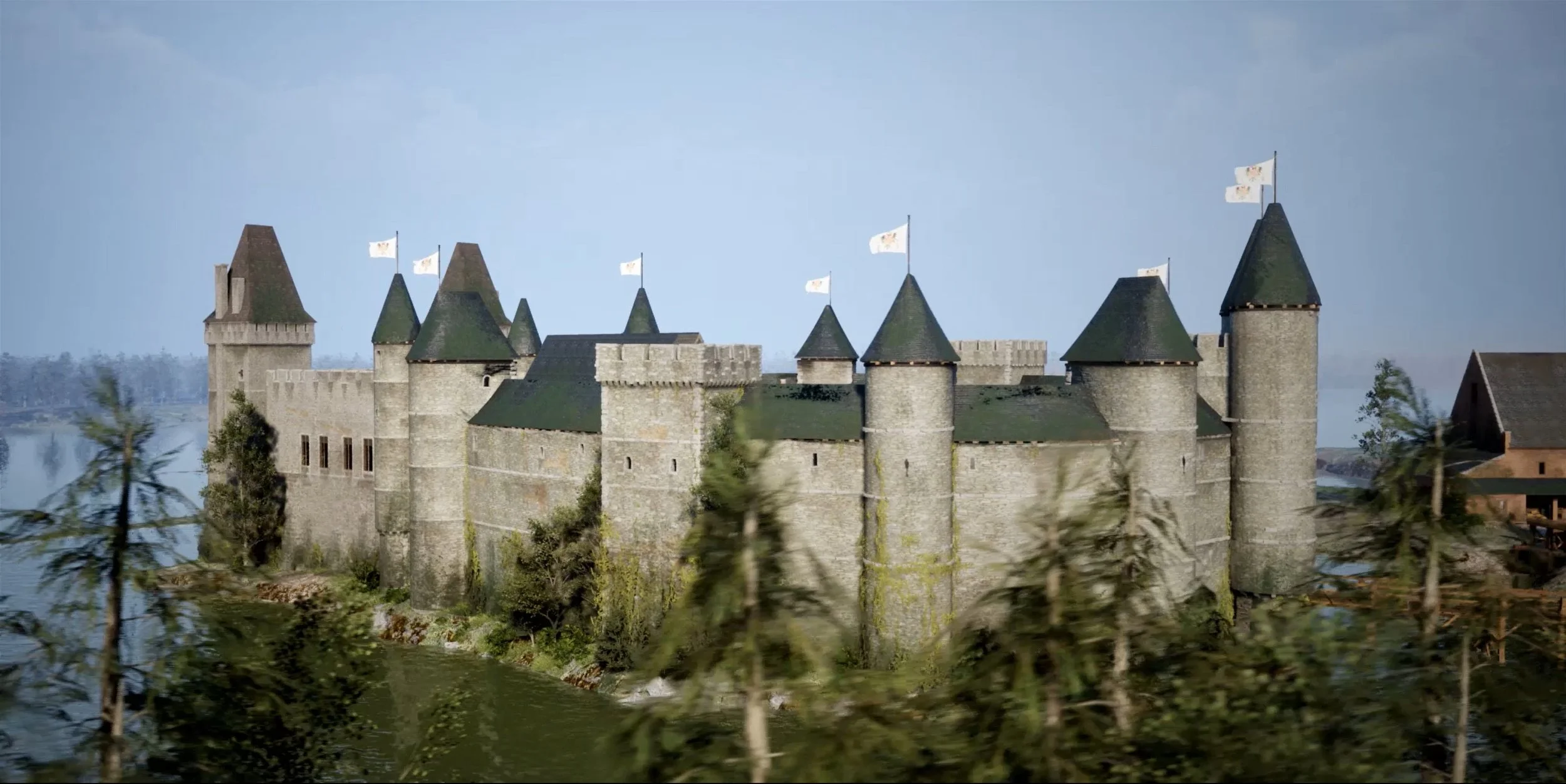
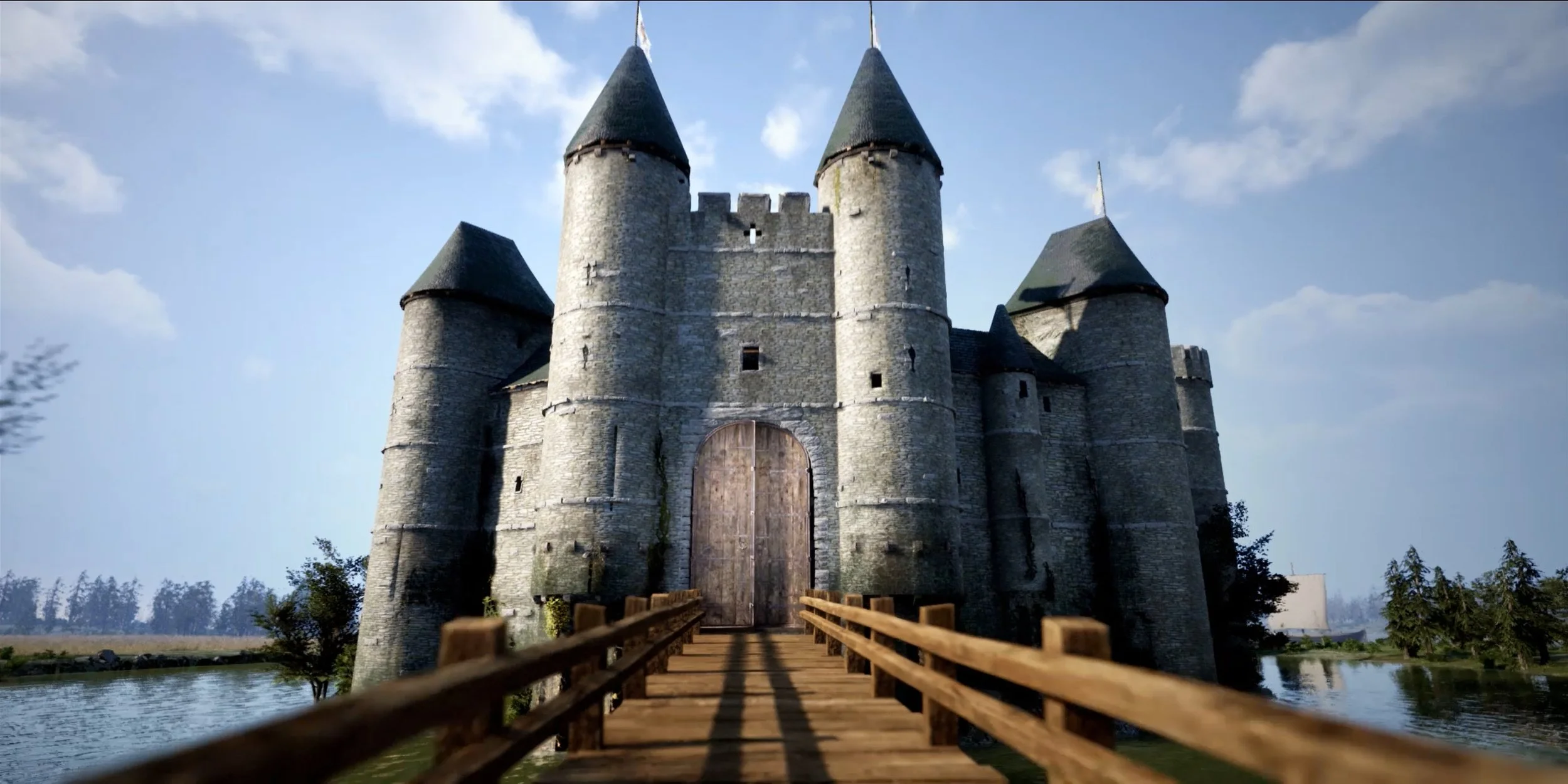
The Castle of Rupelmonde once stood as an important landmark in the region but was lost to time, leaving behind only fragments of historical documentation. In collaboration with the Province of East Flanders, Visit Flanders, historians, and the Yondr team, this project aimed to digitally reconstruct the castle and make its history accessible to modern visitors.
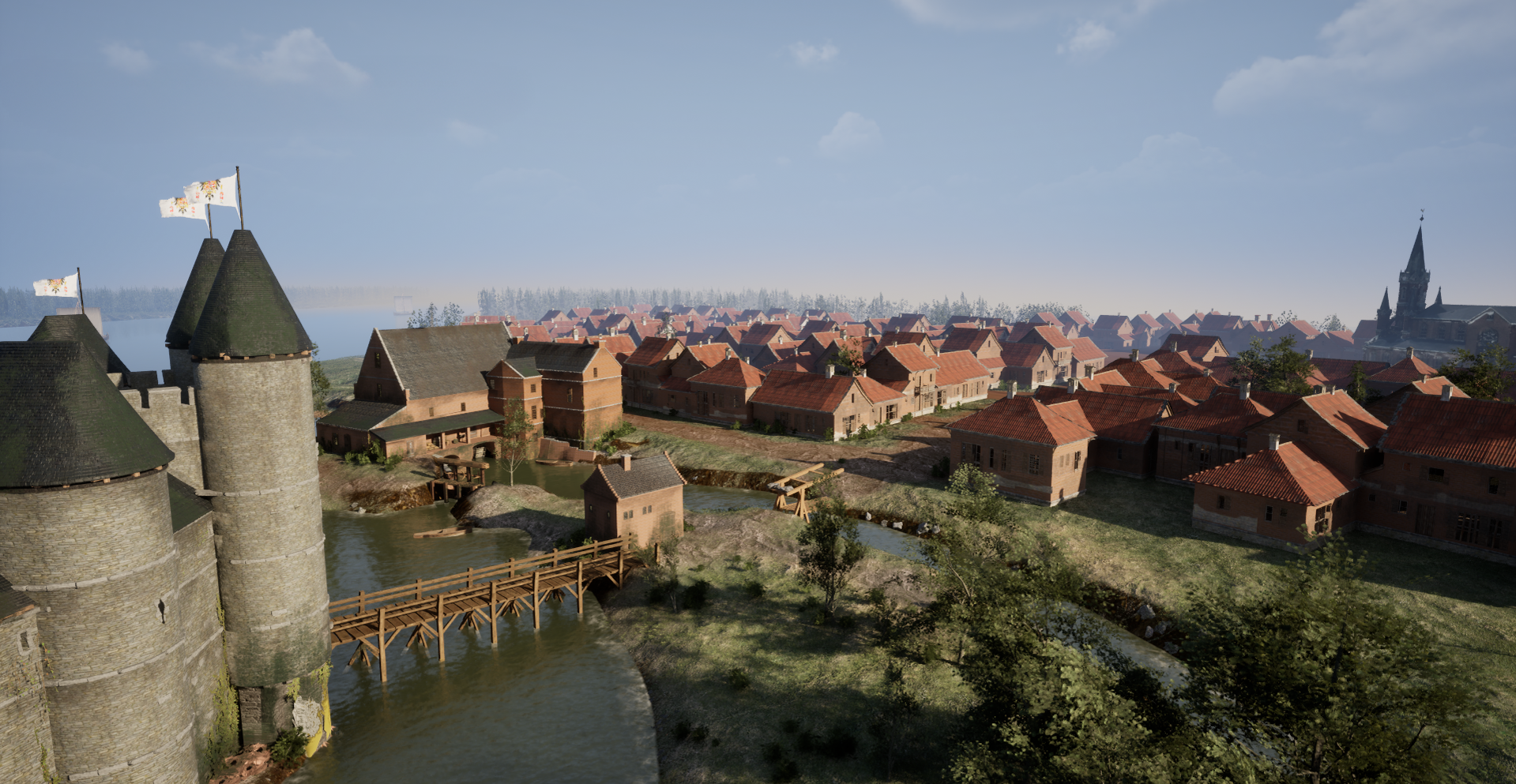
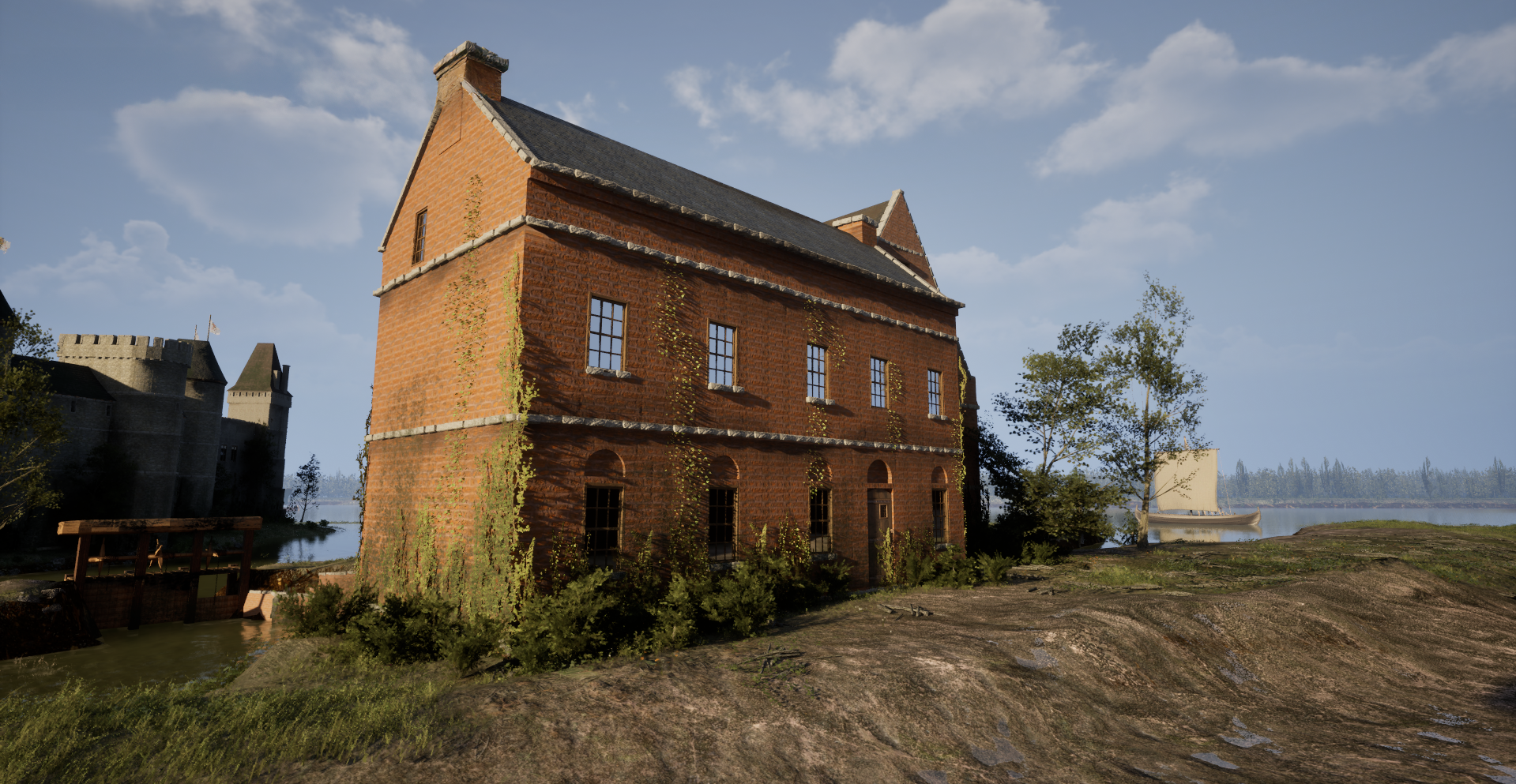
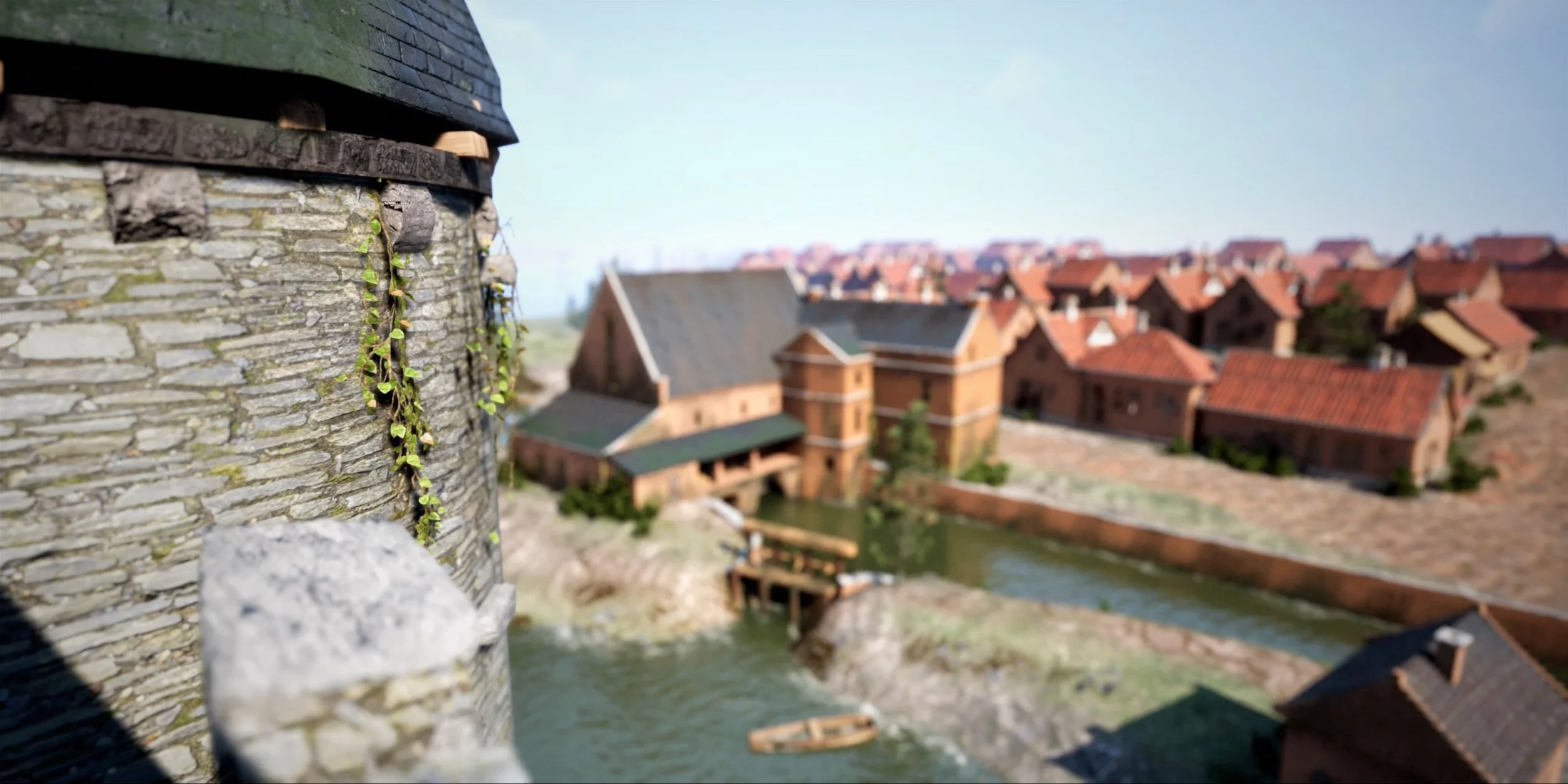
Using historical drawings, paintings, maps, and archival research, the castle was carefully recreated in 3D and placed within a reconstructed environment that reflects its historical setting. The reconstruction is presented as an interactive experience inside the historic Tidal Mill building next to the castle in Rupelmonde, where visitors can explore the site and learn more about its history through immersive storytelling and digital technology.
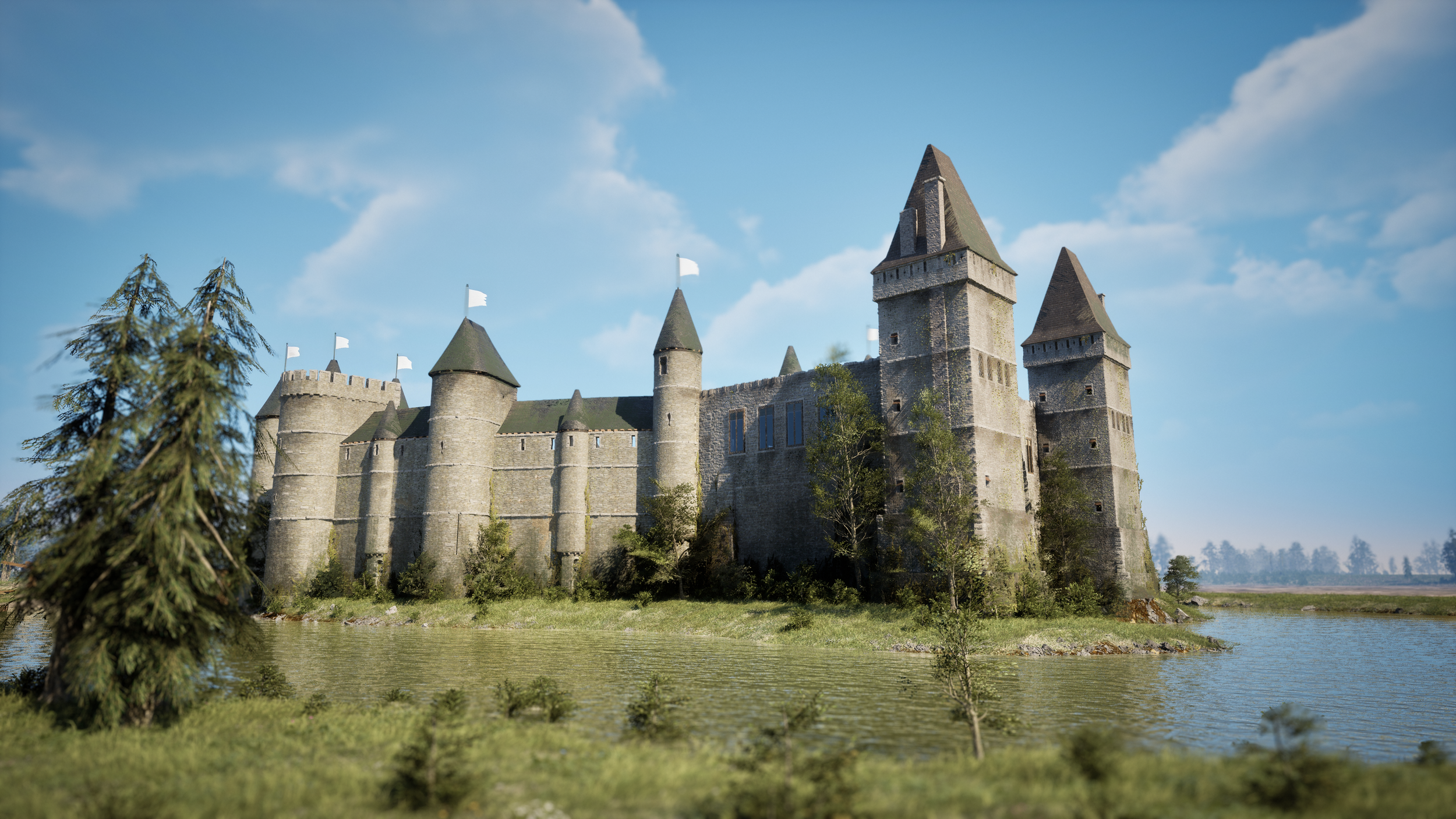
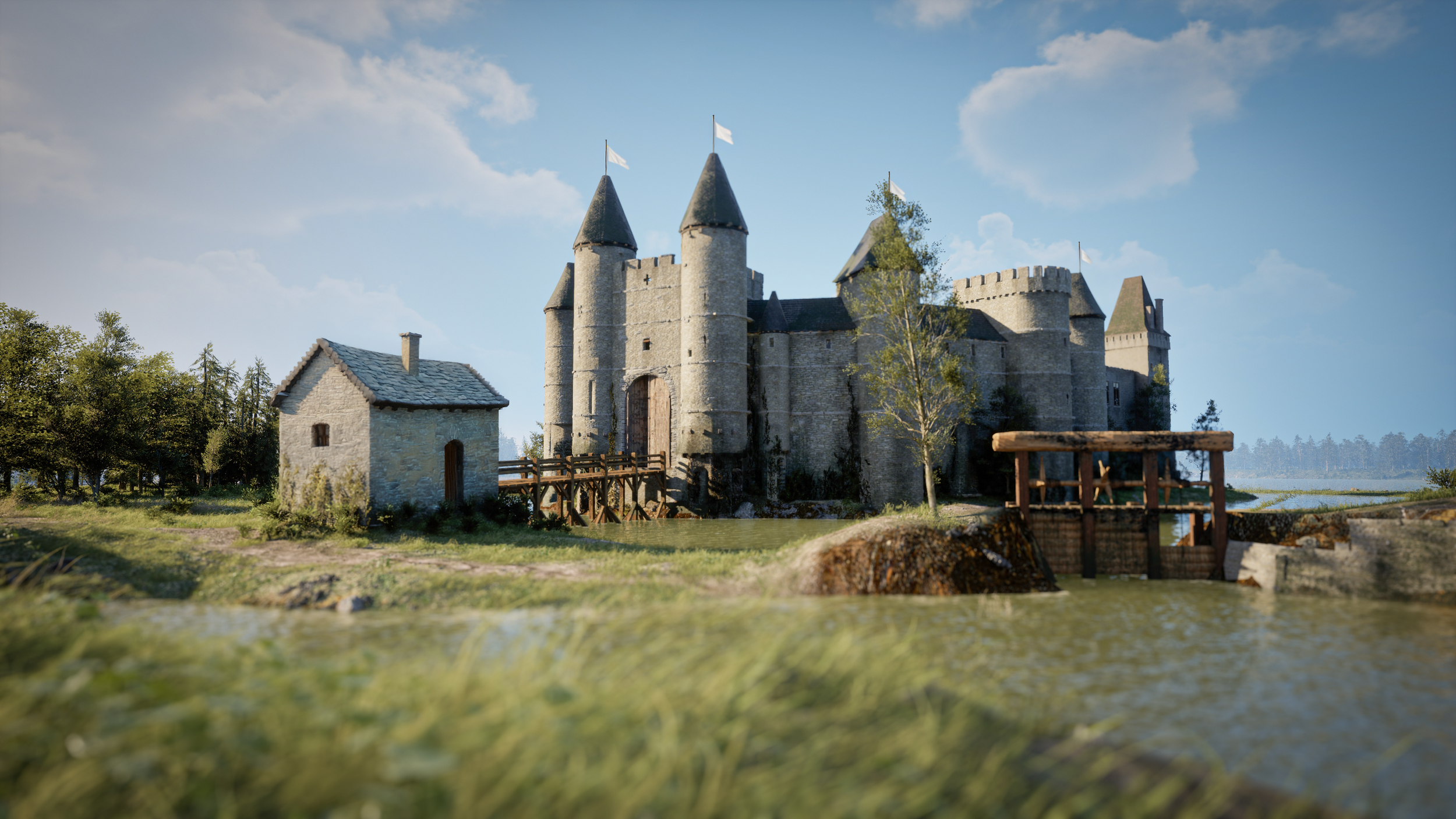
As the main 3D artist on this project, I worked closely with Technical Artist Nils and historian Kevin to bring the Castle of Rupelmonde back to life. Guided by historical research, feedback, and reconstruction theories, I was responsible for modelling, texturing, and building the entire castle, as well as creating the surrounding environment and the town of Rupelmonde.
This project combined historical research with creative problem-solving and was one of the most enjoyable projects I have worked on. I would love to contribute to more projects that bring history to life through interactive and immersive experiences in the future.
Gameplay
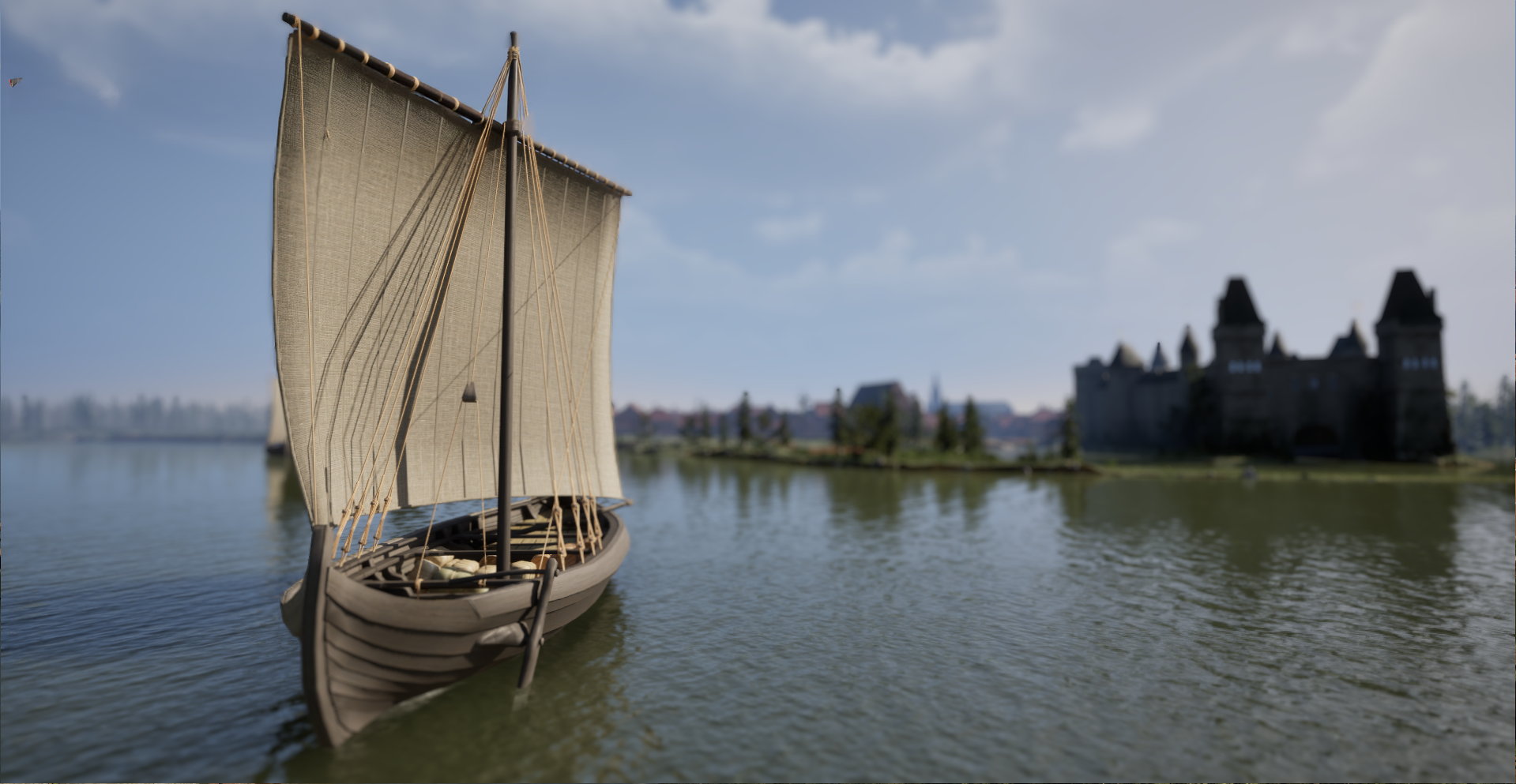
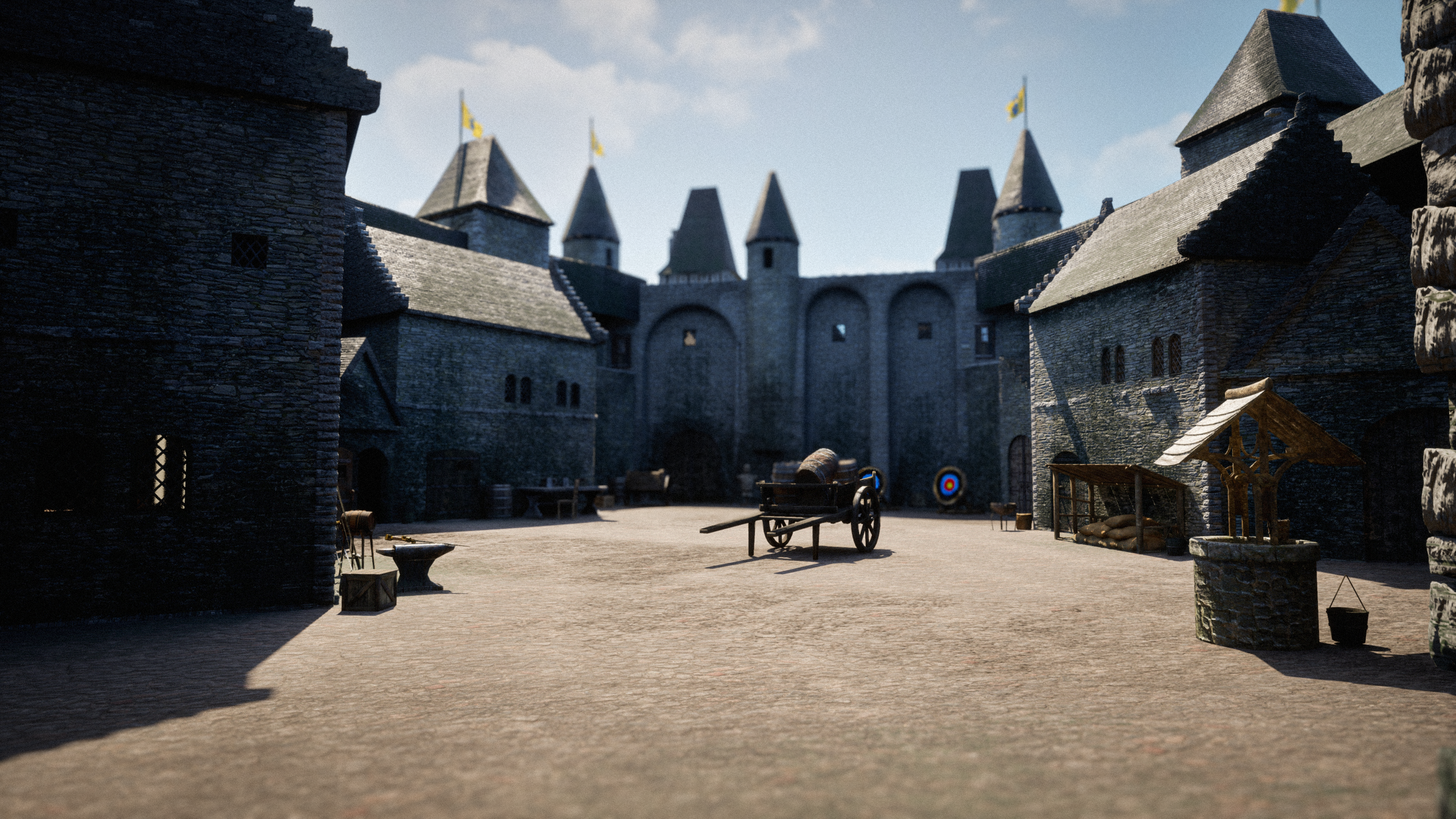
Visitors can explore the Castle of Rupelmonde, the Tidal Mill, and the surrounding town through a collection of interactive viewpoints. Hotspots placed throughout the experience allow users to uncover historical information about key locations and points of interest. Each hotspot opens a dedicated information panel and can be accompanied by narrated audio, providing additional context and storytelling.
By moving between multiple viewpoints, visitors are able to experience the reconstructed site from different perspectives while freely exploring the environment in 360 degrees.
Historical Source Material
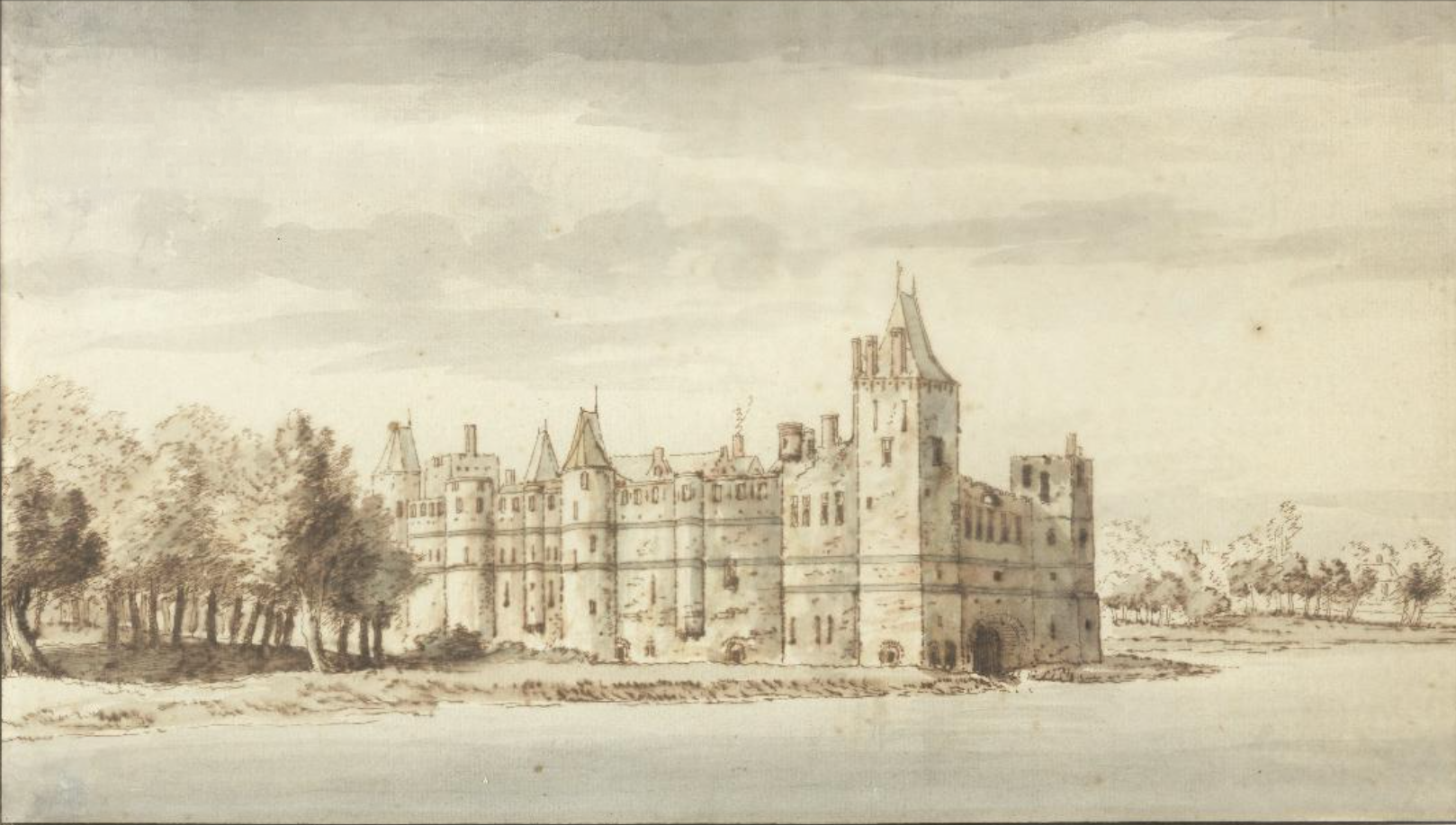
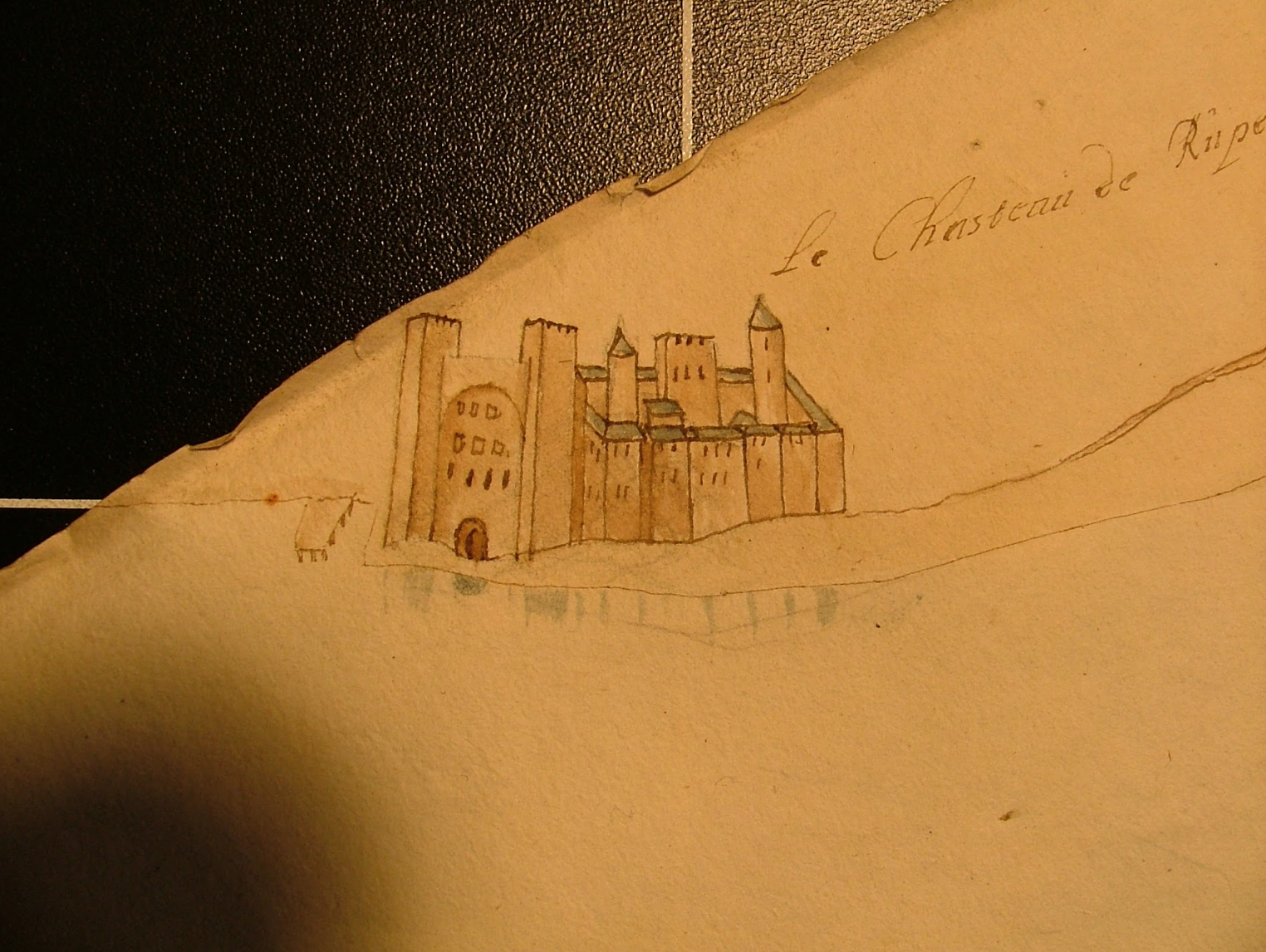
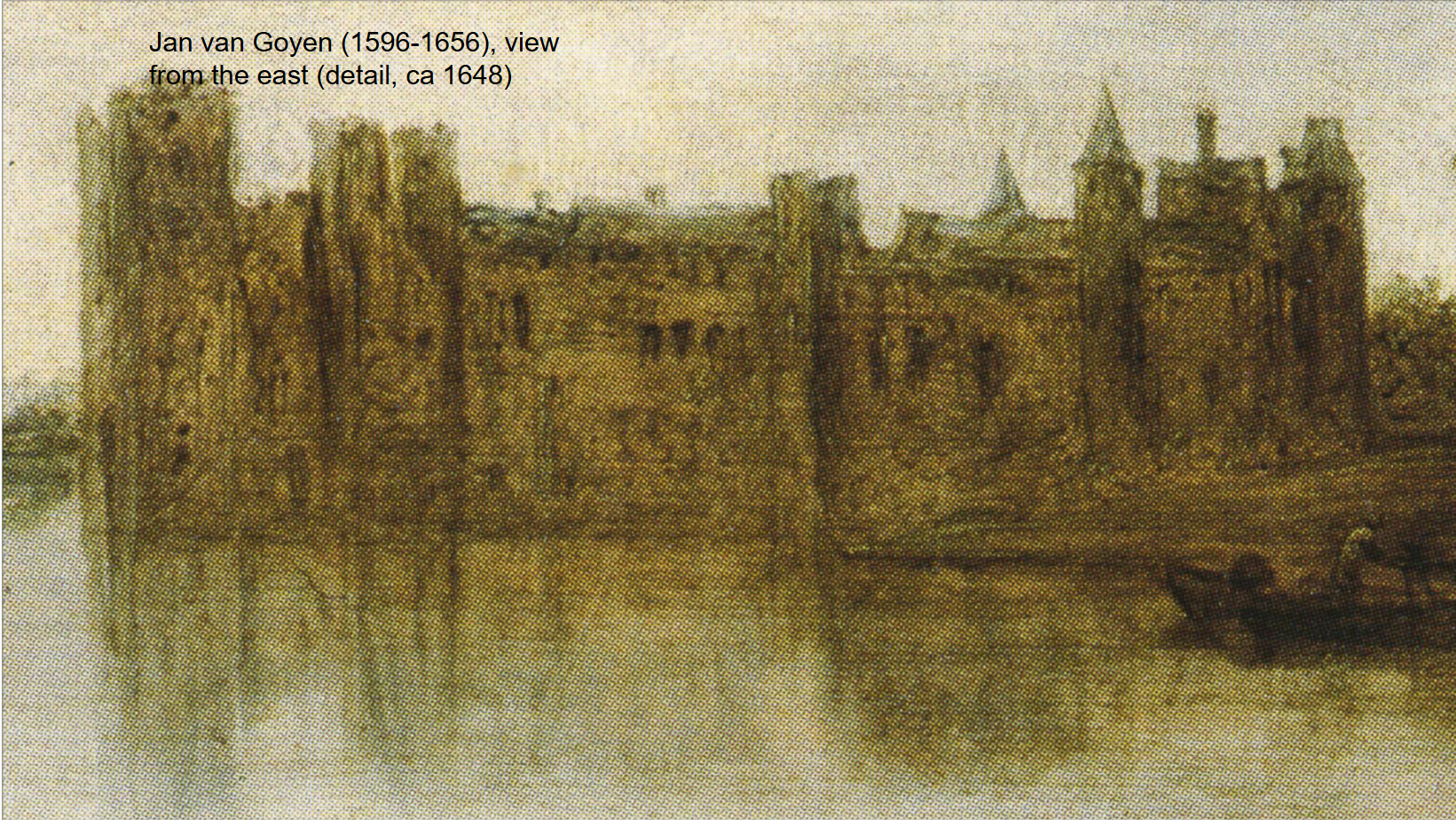
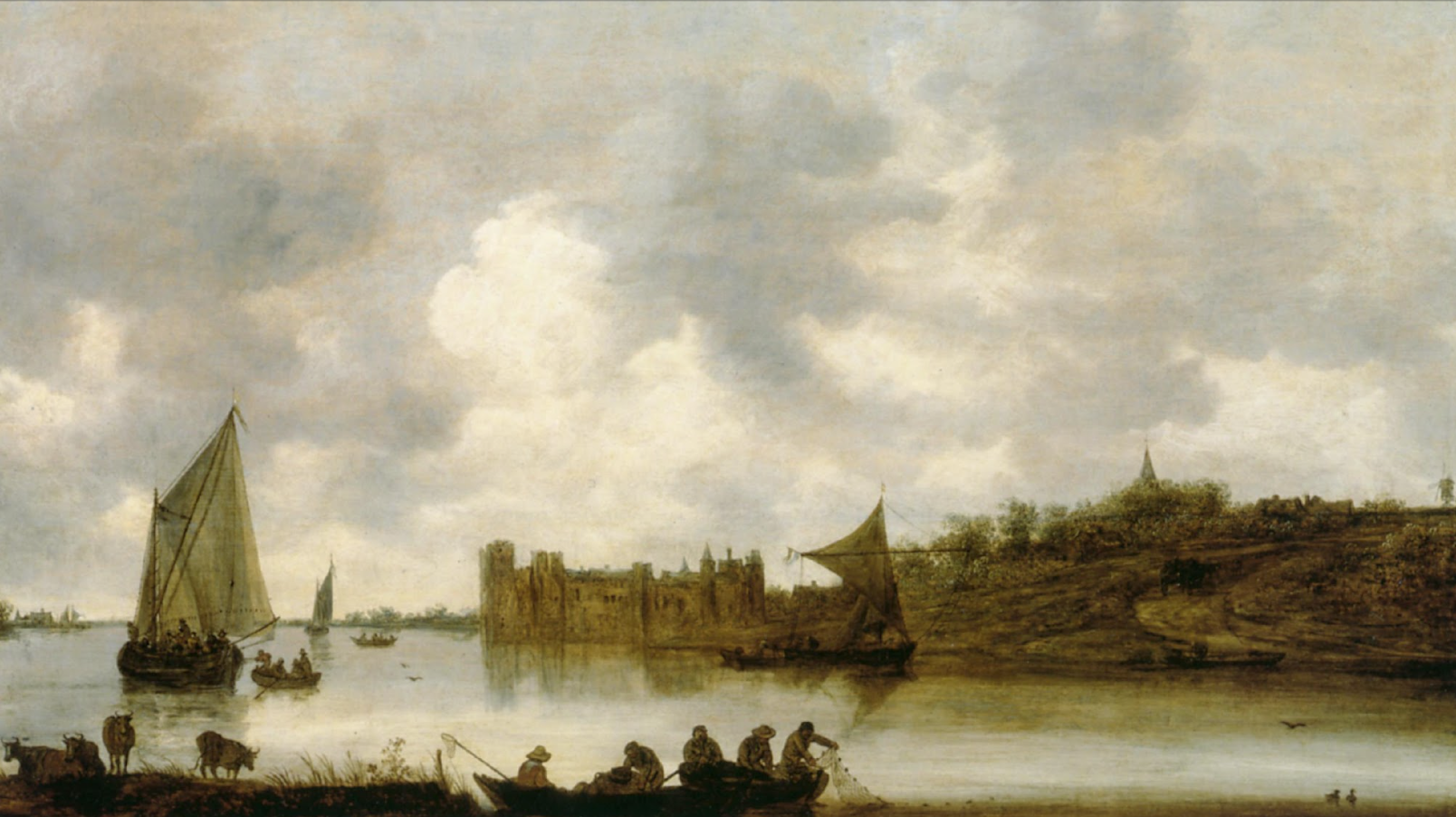
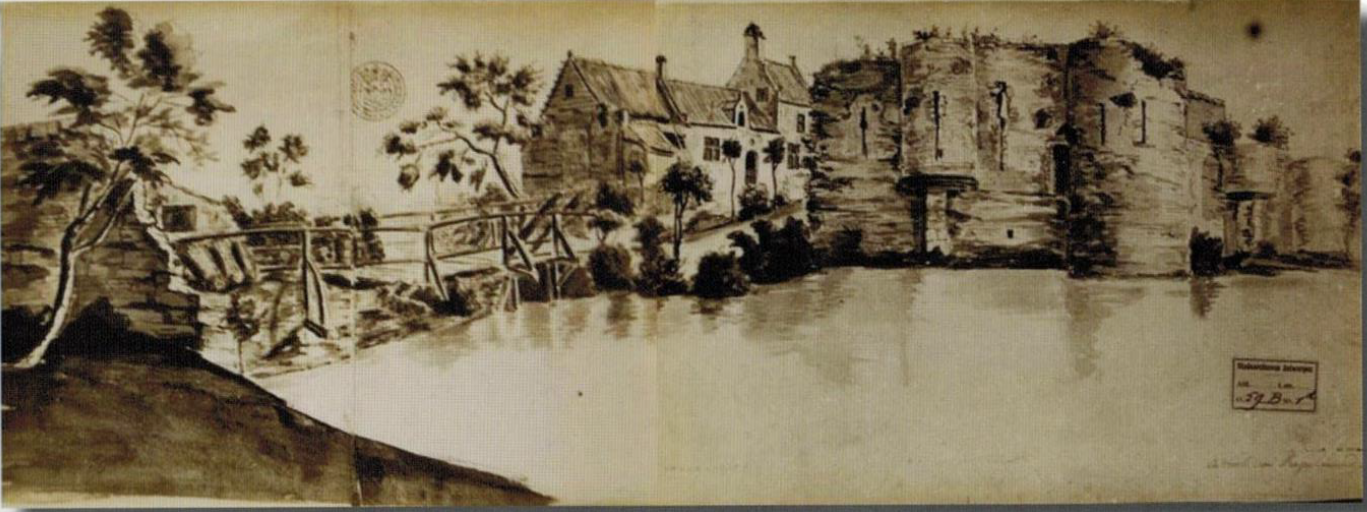
The reconstruction was based on a limited set of historical references, including drawings, paintings, and archival material. These sources often varied in accuracy and level of detail. In some cases, the depictions were influenced by artistic interpretation or patronage, where commissioned paintings could exaggerate the scale of buildings to make them appear more impressive, including taller towers or enlarged structures.
Because of this, the reconstruction required careful comparison and interpretation of all available material. By cross-referencing sources and working closely with historical input, the most plausible version of the Castle of Rupelmonde was assembled, filling in gaps where information was missing while staying grounded in the available evidence.
Rupelmonde Castle Today
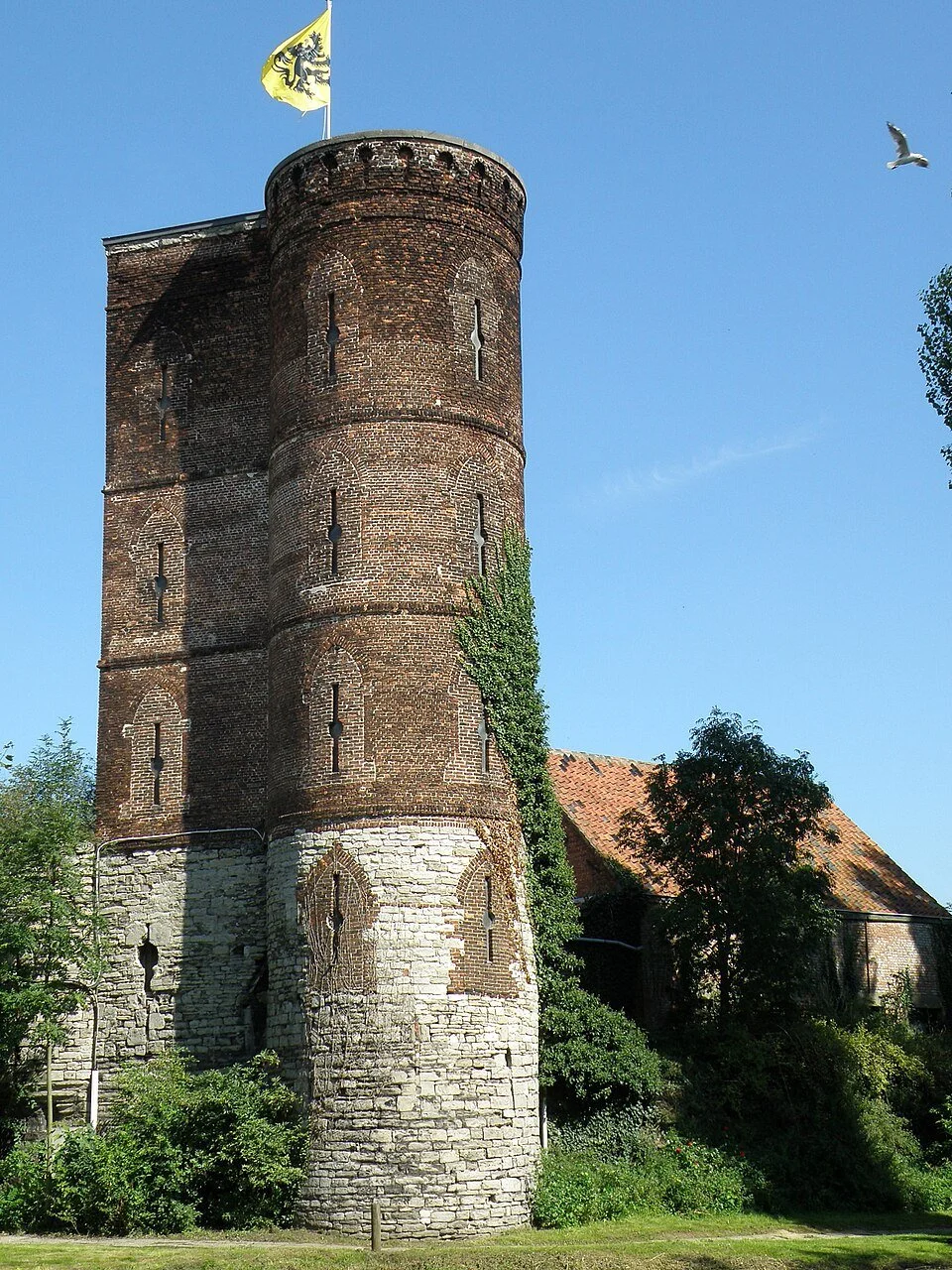
Rupelmonde Castle today:
Today, only fragments of the original medieval castle remain, most notably the Graven Tower and its surrounding site. Over time, much of the structure was lost through conflict, demolition, and the reuse of materials, leaving behind a layered historical landmark.
In the current tower, only the lower section built in white stone belongs to the original medieval construction. The upper parts have been restored and rebuilt in later interventions to preserve and stabilize the structure.
What remains today serves as a cultural and historical site, where visitors can explore the area’s past and learn about its significance along the Scheldt and Rupel rivers through exhibitions and interactive experiences inside the tower and the adjacent tidal mill.